
Cloud Computing Fundamentals: Architecture, Service Models & Elasticity
How shared on-demand compute, storage, and SaaS platforms serve desktops, laptops, and mobile devices over the internet—explained from first principles.
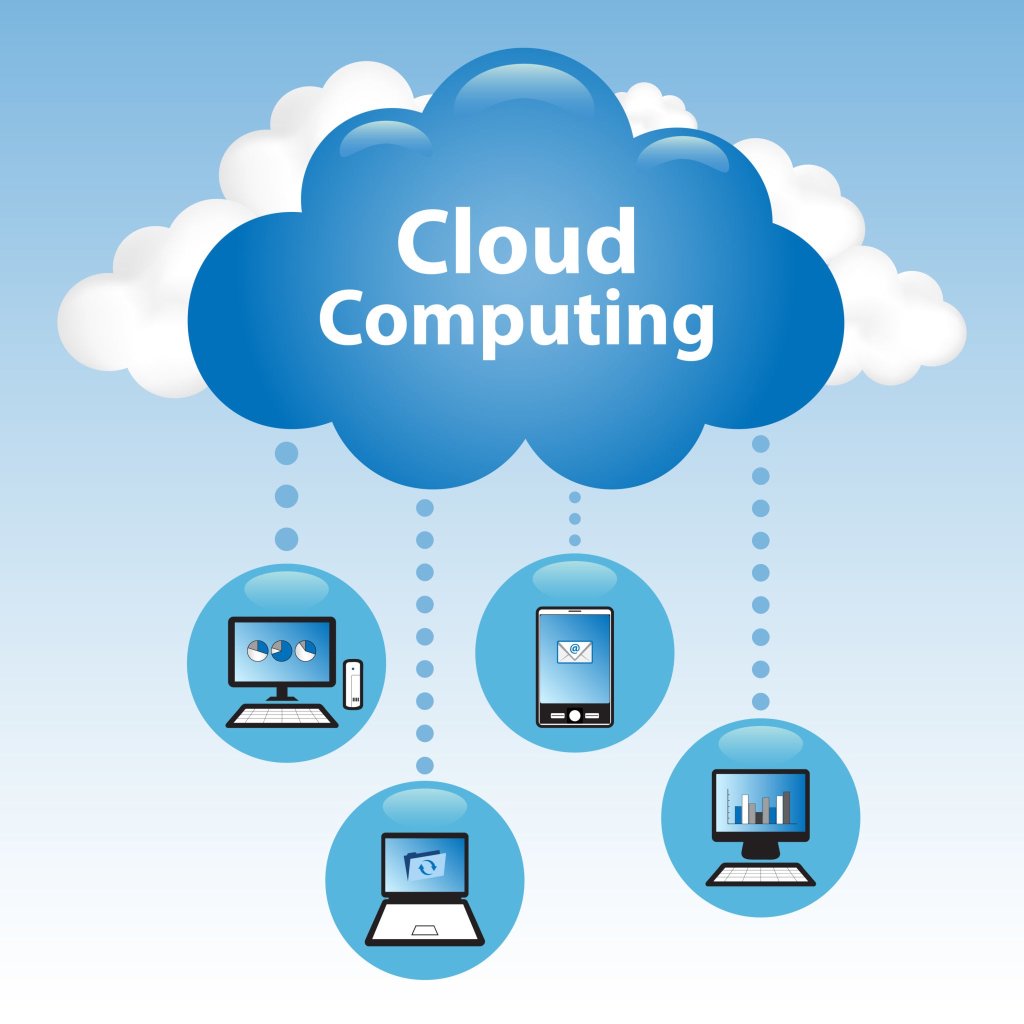
Table of Contents (7)
Interactive Learning Module · Cloud Computing
Visualize How Cloud Services Power Every Device
Cloud Computing Platform
Object Storage · Identity · SaaS Messaging
BI Desktop
Cloud Analytics
Sync Laptop
File Storage
Smartphone
SaaS Email
Metrics Node
Live Telemetry
#1. Reading the Cloud Computing Model
Look at the architecture diagram above. Instead of every laptop, desktop, or smartphone storing all files locally and running heavy workloads on its own CPU, a shared cloud layer sits at the center and delivers four everyday capabilities over standard network connections:
- Analytics & BI Workstations (Left Desktop): Heavy data queries and dashboard aggregations execute on remote cloud clusters rather than exhausting local RAM.
- Cross-Device File Storage & Sync (Laptop): Files uploaded from one machine are durably replicated across multiple availability zones in object storage and synchronized everywhere.
- Cloud Messaging & SaaS (Smartphone): Email, collaboration, and identity services run continuously in the cloud so thin mobile clients only fetch what they need.
- Real-Time Metrics & Elastic Compute (Right Monitor): Dashboards stream live telemetry while cloud autoscalers add or remove servers automatically as load fluctuates.
#2. The Five Essential Characteristics (NIST)
According to NIST SP 800-145, true cloud infrastructure exhibits five defining properties:
- On-Demand Self-Service: Provision servers, databases, or storage via API/CLI in seconds without human intervention.
- Broad Network Access: Workloads and data are reachable securely over standard HTTPS/TLS protocols from desktops, laptops, and mobile devices.
- Resource Pooling: Physical servers, disks, and networks are virtualized and shared across multiple tenants using strict hypervisor and network isolation.
- Rapid Elasticity: Compute capacity scales out automatically during traffic spikes and scales back in when demand subsides—eliminating over-provisioning.
- Measured Service: Usage is metered transparently (per CPU-second, gigabyte-month, or request), aligning cost directly with consumption.
#3. Cloud Service Models: IaaS vs. PaaS vs. SaaS
Choosing a cloud service model is fundamentally a decision about how much of the stack you want to operate yourself versus delegating to the cloud provider.
| Layer | On-Premises | IaaS (e.g., EC2, GCE) | PaaS (e.g., App Runner, Vercel) | SaaS (e.g., Gmail, Slack) |
|---|---|---|---|---|
| Applications & Data | You manage | You manage | You manage | Provider manages |
| Runtime & Middleware | You manage | You manage | Provider manages | Provider manages |
| Operating System | You manage | You manage | Provider manages | Provider manages |
| Virtualization & Servers | You manage | Provider manages | Provider manages | Provider manages |
| Networking & Data Center | You manage | Provider manages | Provider manages | Provider manages |
#4. Cloud Deployment Models
- Public Cloud: Multi-tenant infrastructure operated by providers like AWS, Azure, or Google Cloud—maximum elasticity and global reach.
- Private Cloud: Dedicated infrastructure operated exclusively for one organization (on-premises or hosted), often used for strict regulatory isolation.
- Hybrid Cloud: Connects on-premises data centers with public cloud regions over encrypted VPN/Direct Connect links so workloads can burst or remain compliant.
- Multi-Cloud: Distributes workloads across two or more public cloud providers to avoid vendor lock-in or leverage best-of-breed services.
#5. Provisioning Cloud Resources via Infrastructure as Code
In modern cloud engineering, teams avoid clicking manually through consoles. Instead, compute and storage are declared as version-controlled code:
resource "aws_s3_bucket" "synced_files" {
  bucket = "stratumsec-shared-documents"
}

resource "aws_autoscaling_group" "web_pool" {
  min_size         = 2
  max_size         = 8
  desired_capacity = 2
}#Key Takeaways
- Cloud computing shifts IT from fixed capital hardware to elastic, API-driven utility infrastructure.
- Every connected device—desktop, laptop, or smartphone—acts as a lightweight window into shared compute, storage, and analytics pools.
- Understand the Shared Responsibility Model: even when the provider secures the physical data center, you remain responsible for identity, encryption, and access control over your data.
#References
Stay Connected
Have a question or topic you want simplified?
If a concept still feels confusing or there's a networking, cloud, or security topic you'd love to see explained visually, reach out anytime.